

Ontario Sports Betting Regulation
The regulation of sports betting within Ontario represents a comprehensive framework designed to balance market growth, consumer protection, and the integrity of gaming activities. Since the legalization process formally commenced in April 2022, Ontario has established itself as a leading jurisdiction in North America for regulated sports betting, drawing significant attention from operators, bettors, and regulators alike.
At the heart of this regulatory environment is the Alcohol and Gaming Commission of Ontario (AGCO), which has assumed a pivotal role in overseeing all aspects of legal sports betting. The AGCO’s mandate encompasses licensing operators, enforcing compliance standards, ensuring fair play, and protecting consumer interests. As a quasi-judicial agency, the AGCO’s authority extends to issuing licenses to both provincially-licensed sportsbooks and private operators seeking entry into the Ontario market.

The legalization of sports betting was driven by an overarching goal: to channel gambling activities through a secure, transparent, and well-regulated system. This shift away from unregulated or offshore options aims to enhance consumer protections, prevent illegal betting, and foster responsible gambling practices. The approval of multiple licensed operators not only broadens consumer choice but also stabilizes the market by ensuring all betting activities are conducted within a controlled legal framework.
Ontario’s legislative foundation for sports betting is rooted in specific laws such as the Ontario Gaming Control Act and related regulations. These laws stipulate the requirements for licensing, operational standards, and compliance obligations that licensed sportsbooks must adhere to. Key provisions include stringent background checks, financial stability assessments, and regular audits that uphold the integrity of the betting environment.
Publicly accessible platforms, including desktop websites and dedicated mobile apps, facilitate easy access for Ontarians. These platforms are designed to offer a wide range of betting markets, from traditional sports like hockey and basketball to niche events such as esports and virtual sports. As the industry matures, the technological infrastructure supporting these platforms continues to evolve, ensuring seamless user experiences with secure payment methods, real-time data feeds, and responsible gambling tools integrated directly into the platforms.
Implementing responsible gambling initiatives remains a cornerstone of Ontario's sports betting regulation. Operators are mandated to provide tools like deposit limits, self-exclusion programs, and educational resources to promote responsible gaming behaviors. These measures help mitigate potential harms associated with gambling and foster a safe environment for all participants.
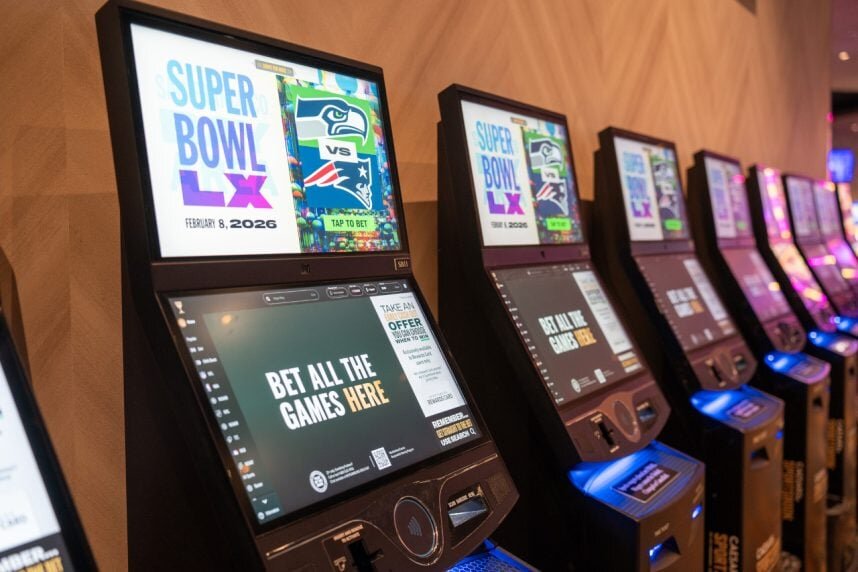
Recent developments in the regulatory landscape include discussions around cross-border betting regulations and the introduction of technological innovations aimed at enhancing transparency and security. The evolving legal framework also responds to court rulings and international trends, positioning Ontario as a progressive yet tightly controlled market for sports betting. As more operators seek licenses and new betting products are introduced, the regulatory environment is expected to adapt further, ensuring the balance between market growth and safeguards remains optimal.
Understanding the intricacies of Ontario's sports betting regulation is essential for all stakeholders—whether operators, bettors, or policymakers. It establishes a foundation for a credible, sustainable industry that prioritizes fairness, transparency, and consumer protection. As this market continues to expand, ongoing regulatory updates and technological advancements will shape its future trajectory, solidifying Ontario’s reputation as a secure hub for legal sports betting in Canada.
Ontario Sports Betting Regulation
The regulatory environment surrounding sports betting in Ontario is characterized by a carefully structured framework that emphasizes market integrity, consumer safety, and transparency. Since the legalization of single-event sports betting in April 2022, the province has taken deliberate steps to ensure robust oversight while fostering a competitive and innovative industry. Central to this framework is the establishment of clear guidelines and licensing processes managed by the Alcohol and Gaming Commission of Ontario (AGCO), which acts as the primary regulatory authority.
The AGCO’s role extends beyond mere licensing; it includes ongoing compliance monitoring, enforcement of standards, and implementation of responsible gambling measures. This regulatory approach aims to create a safe environment for players while allowing licensed operators to innovate with product offerings and technological advancements. Such measures help to curb illegal betting activities and protect consumers from unregulated markets, which historically pose risks in terms of fairness and security.

The regulatory framework is anchored in specific legislation that delineates licensing criteria, operational standards, and compliance requirements. These laws mandate rigorous background checks for licensees, financial audits, and regular reporting, ensuring that operators maintain transparency and uphold standards of fairness. Additionally, the legislation incorporates provisions for technological safeguards, such as secure payment systems and real-time data management, to protect both operators and players.
Aside from licensing, the regulation promotes a comprehensive responsible gambling strategy. Licensees are required to incorporate tools such as deposit limits, self-exclusion programs, and player education resources directly into their platforms. The goal is to mitigate problem gambling and equip players with resources to manage their wagering responsibly. These initiatives are monitored continuously to adapt to emerging trends and technological capacities.
An ongoing area of development involves integrating technological innovations, such as AI-driven fraud detection and real-time monitoring, to enhance transparency and security. The regulation also addresses cross-border betting considerations, permitting Ontario-based players to participate in legal offshore markets under certain conditions, thereby expanding market access while maintaining regulatory control. This balance aims to attract reputable operators and diversify the betting options available to Ontarian consumers.
Overall, Ontario’s approach to sports betting regulation exemplifies a proactive and adaptive model, blending strict oversight with the flexibility necessary to support industry growth. As technology evolves and market dynamics shift, regulatory updates are expected to further refine the framework, ensuring that consumer protection and market integrity remain prioritized. This environment not only safeguards players but also positions Ontario as a jurisdiction that leads in responsible and secure sports betting practices in Canada.
Ontario Sports Betting Regulation
Ontario’s approach to sports betting regulation emphasizes a deliberate balance between fostering industry growth and safeguarding consumer interests. Since the shift to a fully regulated market in April 2022, Ontario has established a robust legal framework that ensures all betting operators adhere to strict standards. This regulatory environment promotes fairness, transparency, and responsible gambling while simultaneously encouraging innovation through technological advancements.
At the core of this regulatory landscape is the Alcohol and Gaming Commission of Ontario (AGCO), which functions as the primary authority overseeing licensing, compliance, and enforcement. The AGCO’s mandate includes vetting potential operators through extensive background checks, assessing their financial stability, and ensuring they follow strict operational standards. This multi-layered process aims to prevent illegal betting activities while creating a level playing field for licensed sportsbooks.
Over the past few years, the regulatory framework has evolved to incorporate technological innovations aimed at enhancing the safety and integrity of sports betting. Biometric verification, AI-driven fraud detection systems, and real-time monitoring tools are increasingly integrated into licensed operators’ platforms. These measures help detect suspicious activities early, ensuring that consumers are protected from potential fraud or unfair practices. The regulatory emphasis on technological safeguards underscores Ontario’s commitment to maintaining a secure betting environment.

Another significant aspect of Ontario’s regulation is the emphasis on responsible gambling initiatives. Licensed operators are obligated to provide tools such as deposit and loss limits, self-exclusion options, and informative resources on responsible gambling practices. These tools are embedded within betting platforms to promote safer wagering experiences and reduce the risk of problem gambling. The province’s focus remains on creating a sustainable betting environment where consumers can enjoy entertainment responsibly.
Ontario’s legal architecture also supports cross-border betting under specific conditions, which broadens the scope of betting options available and offers a more comprehensive market for consumers. While encouraging the participation of reputable foreign operators, the regulation ensures that all cross-border activities comply with established standards, protecting Ontario players from unregulated offshore operators. This approach aligns with Ontario’s proactive stance, combining liberalized market access with strong governance frameworks.
The evolving landscape of Ontario sports betting regulation is driven by both legal developments and technological advancements. Recent court decisions, particularly those permitting cross-border betting with foreign jurisdictions, exemplify the ongoing adaptation of the regulatory framework. Ontario’s authorities continue to refine their policies to keep pace with innovations like mobile betting apps, live in-play wagering, and integrated responsible gaming tools, reinforcing Ontario’s position as a leader in regulated gaming markets in Canada.

For stakeholders—including industry operators, regulators, and bettors—it is crucial to stay informed about the changing legal landscape and emerging regulatory initiatives. This comprehensive oversight not only promotes confidence in the market but also fosters a competitive environment that benefits consumers. As technological solutions become more sophisticated and legal frameworks adapt, Ontario’s sports betting regulation continues to exemplify a responsible and innovative approach that supports sustainable industry development.
Ontario sports betting regulation
The landscape of sports betting regulation in Ontario has evolved into a carefully balanced ecosystem that aims to promote responsible gambling, industry growth, and market integrity. Since the initial legalization of single-event betting in April 2022, Ontario has implemented a comprehensive regulatory framework overseen by the Alcohol and Gaming Commission of Ontario (AGCO). This framework ensures that all operators adhere to strict standards, providing consumers with a safe and transparent environment for sports betting.
One of the key elements of Ontario’s regulatory approach is the licensing system, which thoroughly evaluates operators before granting them approval to operate within the province. The licensing process involves rigorous background checks, financial stability assessments, and adherence to technological standards meant to safeguard consumer data and ensure fair play. Licensed operators are then subject to ongoing compliance monitoring, ensuring they continue to meet regulatory requirements throughout their tenure in the market.
To promote responsible gambling, Ontario’s regulations mandate the integration of various harm-reduction tools within betting platforms. These include deposit limits, self-exclusion programs, and real-time monitoring of betting activity to detect signs of problem gambling. The province emphasizes consumer protection not only through these tools but also through educational resources aimed at fostering informed betting behaviors and encouraging responsible participation.

Technological innovation is at the core of Ontario’s regulatory enhancements. Modern systems incorporate AI-driven fraud detection, encrypted payment methods, and real-time data feeds that ensure the security and transparency of transactions. These advancements help prevent collusion, match-fixing, and other forms of manipulation, thereby maintaining the integrity of betting activities. Additionally, the regulations support cross-border betting under carefully defined conditions, allowing Ontarians to participate in international markets while safeguarding the local industry against unregulated offshore operators.
The regulation also provides clarity on the types of licensing available, including provincial licenses issued directly by the Ontario government through the Ontario Lottery and Gaming Corporation (OLG), as well as private operator licenses managed by the AGCO. This dual approach fosters a competitive market environment while maintaining high standards of consumer protection and operational integrity.
As Ontario’s online sports betting market continues to expand, regulatory updates are likely to adapt to technological developments and emerging trends. Recent discussions on cross-border betting and the integration of innovative responsible gambling tools demonstrate the province’s commitment to maintaining a safe yet dynamic betting ecosystem. This proactive regulatory stance aims to attract reputable operators, foster innovation, and ensure the overall integrity of the market — thus positioning Ontario as a leader in legal, responsible sports betting in Canada.
Further advances in regulatory policy are anticipated to focus on automated monitoring systems and enhanced dispute resolution mechanisms. These efforts promote transparency and trust among consumers, ensuring that any issues—be they related to account security, withdrawal disputes, or responsible gaming concerns—are promptly addressed within a well-defined legal framework. The overall goal remains clear: to sustain a vibrant, fair, and consumer-focused sports betting market that benefits both operators and players.

By maintaining a resilient regulatory environment, Ontario aims to foster a thriving sports betting industry that adheres to the highest standards of fairness and safety. The continuous evolution of regulations, driven by technological innovation and market feedback, will ensure that the province remains at the forefront of responsible gambling practices, attracting both domestic and international operators committed to operating ethically within Ontario’s jurisdiction.
Ontario Sports Betting Regulation
In the landscape of Ontario's legal sports betting framework, the application of regulations extends beyond licensing to encompass ongoing compliance and technological innovation. The province emphasizes a proactive approach to regulation that fosters a secure, fair, and responsible betting environment. One of the key insights into the development of regulation is the integration of advanced fraud detection systems, which are increasingly embedded within licensed sportsbooks. These systems utilize artificial intelligence and machine learning algorithms to monitor betting patterns and identify suspicious activities in real-time, thereby reducing the risk of match-fixing and collusion. The advent of such technology not only enhances security but also elevates the trustworthiness of the overall betting market.
Another critical aspect of Ontario’s regulatory environment is the emphasis on platform transparency and data security. Licensed operators are required to implement high standards of cybersecurity, ensuring that user information and financial transactions are protected against breaches. This is a direct response to the evolving threats in cybercrime and fraud, and it underscores Ontario’s commitment to safeguarding player interests at every interaction point. Such measures are often verified through routine audits conducted by the AGCO, ensuring continuous adherence to security standards.

Aside from technological safeguards, Ontario’s regulation actively promotes the responsible gambling tools integrated into betting platforms. Operators are mandated to offer features such as real-time deposit and loss limits, self-exclusion options, and educational resources about responsible betting. These tools are not merely optional but form an integral part of the licensing conditions, reflecting the province’s emphasis on minimizing harm and promoting sustainable gambling behaviors. The continuous evaluation of these tools ensures they evolve alongside emerging risks, thereby maintaining their relevance and effectiveness.
The regulatory framework also addresses the growing role of cross-border sports betting, allowing Ontario players to engage in legal betting activities with international operators under strict guidelines. This inclusiveness broadens market access and encourages reputable foreign operators to seek licensing in Ontario, provided they meet the province’s rigorous standards. Such policies are designed to balance market expansion with stringent oversight, ensuring that the integrity of betting activities is not compromised regardless of geographic boundaries.
The evolution of regulation in Ontario is further illustrated by recent court rulings that have clarified the legal scope of cross-border betting. A landmark decision by the Court of Appeal affirmed that Ontario-based players engaging in betting with foreign operators remain within the legal framework, provided the operations comply with Ontario's regulations. This ruling paves the way for a more integrated and dynamic betting ecosystem, where international cooperation and regulatory oversight work hand-in-hand to safeguard consumers and uphold industry standards.
Importantly, the regulatory landscape continues to adapt in response to technological innovations such as live in-play betting, which has become increasingly popular among bettors. The AGCO ensures that licensed operators have the appropriate systems in place to monitor live wagers continuously, detecting irregularities instantaneously. This real-time oversight reduces vulnerabilities and enhances confidence among players that their bets are conducted within a fair and regulated environment.
In sum, Ontario’s sports betting regulation exemplifies a comprehensive model that combines strict licensing, advanced technological safeguards, and responsible gambling promotion. These elements together create a resilient framework capable of supporting a thriving betting industry while prioritizing consumer protection and market integrity. As the industry advances and new gaming products emerge, continuous regulatory updates are essential to maintaining this balance, solidifying Ontario’s reputation as a responsible leader in North American sports betting regulation.
Ontario Sports Betting Regulation
Ontario's sports betting regulatory landscape is designed to promote a secure, transparent, and competitive environment that benefits both consumers and operators. Since the inception of legal single-event sports betting in April 2022, the province has implemented a comprehensive oversight framework managed primarily by the Alcohol and Gaming Commission of Ontario (AGCO). This regulatory structure emphasizes strict licensing, ongoing compliance, technological security measures, and responsible gambling initiatives to sustain a balanced and trustworthy market.
One of the critical components of Ontario's regulatory approach is its licensing process. The process involves detailed vetting of applicants, including rigorous background checks, financial stability assessments, and technological audits. These measures ensure that only reputable operators can offer betting services within the province, thereby reducing the presence of illegal and unregulated betting platforms that previously posed risks related to unfair practices and consumer exploitation. The licensing standards are aligned with broader market integrity goals, emphasizing transparent operations and player protection.

Technological safeguards are a cornerstone of Ontario's sports betting regulation. Licensed operators are required to deploy advanced fraud detection and real-time monitoring tools, including AI-powered systems, to identify suspicious betting patterns and prevent manipulative practices like match-fixing or collusion. Encryption protocols and secure payment processing further protect player data and financial transactions, fostering confidence in the legality and safety of the betting environment. These protections are regularly audited by the AGCO to ensure compliance and adapt to emerging cyber threats.
The framework also heavily emphasizes responsible gambling. Operators must embed tools within their platforms, such as deposit, loss, and bet limits, alongside self-exclusion programs that allow players to restrict access temporarily or permanently. Educational resources about gambling risks are mandatory and designed to promote informed participation. These measures are complemented by ongoing monitoring to adapt to evolving behavioral trends, aiming to minimize gambling-related harms and support sustainable gaming practices.

Ontario’s regulatory environment continues to evolve with technological advances like live in-play betting, which is now seamlessly integrated under strict oversight protocols. Real-time monitoring systems ensure that all live wagers are conducted fairly, immediately flagging anomalies or irregular activities. Additionally, cross-border betting regulations permit Ontario players to access reputable foreign operators under stringent conditions, broadening market access while maintaining security and integrity. This approach fosters a competitive landscape that attracts reputable international firms committed to compliance and consumer protection.
Recent legal developments, including court decisions that affirm the permissibility of cross-border betting with non-Canadian players, illustrate Ontario’s commitment to adapting its regulatory stance to modern betting practices. The province's authorities are proactively working to ensure that technological innovations and legal frameworks remain synchronized, safeguarding players and market integrity simultaneously. As the market continues to grow and diversify, regulatory updates will focus on enhancing transparency, dispute resolution mechanisms, and responsible gambling tools—further reinforcing Ontario’s leadership in responsible gaming regulation.
Ensuring accessibility is a fundamental aspect of Ontario's regulation. The majority of licensed sportsbooks provide user-friendly interfaces on both desktop and mobile platforms, enabling convenient access for local bettors. Mobile apps are tailored to meet high standards of security and user experience, incorporating features like biometric login and quick deposit options. These robust platforms aim to foster responsible and enjoyable betting experiences while offering a broad spectrum of betting markets—from mainstream sports like hockey and basketball to niche segments such as esports and virtual sports. The continuous technological evolution facilitates real-time odds updates, live streaming, and responsible gambling functionalities, maintaining market relevance and consumer trust.
Overall, Ontario's sports betting regulation is a strategic blend of strict legal standards, innovative technological safeguards, and proactive consumer protection measures. It fosters a vibrant market that values fairness, security, and responsible participation. By continuously refining its regulatory framework—guided by technological developments, stakeholder feedback, and legal clarifications—the province aims to position itself as North America's leader in trusted, responsible sports betting, ensuring sustainable growth while prioritizing the safety and rights of its players.
Ontario sports betting regulation
As Ontario continues to refine its approach to sports betting regulation, one critical aspect gaining attention is the ongoing development of technological tools designed to enhance transparency, security, and responsible gaming. The integration of advanced data analytics, artificial intelligence, and blockchain-based systems plays a pivotal role in ensuring the integrity of the betting environment. These innovations facilitate real-time monitoring of betting patterns, enabling regulators and operators to swiftly identify suspicious activities that could signify fraud, match-fixing, or collusion. For instance, AI algorithms analyze vast volumes of transactional data continuously, flagging irregular spikes in betting volumes or unusual odds movements that warrant further investigation. This proactive use of technology aligns with Ontario's vision to uphold fair play and protect the market’s reputation.

Moreover, blockchain technology is increasingly being explored for its potential to create transparent, tamper-proof records of all betting transactions. When applied to digital odds, payment verification, and audit trails, blockchain can drastically reduce opportunities for manipulation, ensuring that all betting activities are verifiable and trustworthy. These systems also help in combating illegal betting by providing a clear, auditable digital footprint that regulators can easily access for compliance checks. Ontario’s regulatory framework encourages licensed operators to adopt such innovative solutions, fostering a culture of transparency and accountability within the legal betting industry.
In addition, the emphasis on data privacy and cybersecurity is integral to Ontario's sports betting regulation. Licensed operators are required to implement comprehensive security protocols, including encryption standards compliant with best practices, multi-factor authentication, and secure data storage. This not only safeguards consumer information but also fortifies the betting platforms against cyberattacks that could compromise sensitive data or disrupt service. Regular cybersecurity audits conducted by independent firms ensure that operators maintain high-security standards, further reassuring bettors of their safety when engaging in online sports betting.

The future of Ontario sports betting regulation is poised to incorporate these technological advancements more broadly, with ongoing consultations focusing on emerging fields such as biometric verification and artificial intelligence-driven consumer protections. Biometric authentication—such as fingerprint or facial recognition—aims to streamline age verification processes, reducing instances of underage gambling and identity fraud. Similarly, AI-powered chatbots and self-help tools embedded within betting platforms assist consumers in managing their wagering habits, promoting responsible gambling at scale.
Regulators are also exploring how to leverage these technological tools to facilitate cross-border betting more securely and efficiently. With the growing presence of offshore operators targeting ontarians, technological solutions like geofencing and IP verification become essential to enforce jurisdictional boundaries and ensure compliance with provincial regulations. These measures serve to deter illegal operators while providing licensed entities with a competitive edge by offering highly secure, user-friendly platforms that adhere to the highest regulatory standards.
Overall, these technological developments are transforming Ontario’s sports betting landscape into a model of modern regulation—efficient, transparent, and responsive to both industry innovations and consumer needs. As the industry evolves, continuous investment in cutting-edge tech and regulatory oversight will be key to maintaining Ontario's reputation as a leader in responsible, secure, and innovative sports betting regulation in North America.
Ontario sports betting regulation
As Ontario advances its regulatory approach to sports betting, a noteworthy development is the deployment of sophisticated technological solutions aimed at bolstering transparency and integrity in the industry. The regulatory agencies and licensed operators are increasingly adopting AI-driven analytics, blockchain verification, and real-time data monitoring to maintain a fair betting environment. These innovations are crucial for identifying suspicious activities, such as match-fixing attempts or irregular betting patterns, often before they can cause significant harm. For example, AI systems analyze vast transaction datasets continuously, flagging anomalies that could indicate manipulative practices, allowing regulators to intervene proactively.
Blockchain technology further enhances transparency by creating tamper-proof records of all wagered transactions, odds adjustments, and payout histories. This decentralized ledger not only ensures data integrity but also simplifies audits, making it easier for regulators to verify compliance and trace any irregularities. Such systems are particularly vital in cross-border betting scenarios where jurisdictional boundaries can complicate oversight. Ontario encourages licensed operators to implement these cutting-edge solutions, fostering a market environment where trust and accountability are paramount.

Besides technological safeguards, Ontario’s regulatory framework mandates strict cybersecurity protocols. Licensed operators are required to deploy encrypted payment channels, multi-factor authentication, and regular vulnerability assessments to safeguard sensitive user information against cyber threats. These security measures are audited periodically by the Alcohol and Gaming Commission of Ontario (AGCO) to ensure continued compliance and adaptation to emerging cyber risks.
In the context of responsible gambling, the latest technological tools enable personalized risk management for players. Platforms now incorporate AI-powered self-assessment tools, behavioral analytics, and adaptive limits that respond dynamically to wagering patterns. These features help mitigate problem gambling by offering timely interventions, such as auto self-exclusion prompts or cooling-off periods, based on individual betting behaviors. Regulations also mandate that operators present clear educational resources and responsible gambling messages integrated into the platform interface, reinforcing safe participation practices.

Looking forward, Ontario’s sports betting regulation is poised to incorporate biometric verification systems, such as facial recognition or fingerprint scans, to streamline age and identity verification processes. These innovations aim to reduce underage betting and identity fraud while enhancing user convenience. Additionally, geofencing and IP verification technologies will be further refined to enforce jurisdictional boundaries more effectively, ensuring that players only access licensed operators, thereby curbing illegal betting activities. These measures, combined with ongoing regulatory updates, will reinforce Ontario’s position as a responsible, innovative hub for legal sports betting.
Another promising area involves the integration of live data feeds for in-play betting, ensuring that odds adjustments and wager tracking are conducted transparently and instantaneously. Such systems improve market fairness, reduce vulnerabilities, and protect against market manipulation. As Ontario’s industry grows, continuous innovation in data security, responsible gaming tools, and cross-border regulation will be vital for maintaining consumer confidence and the integrity of the betting environment. These efforts signal a future where technology and regulation work hand in hand, setting standards for the entire North American industry.
Ultimately, these advancements serve to create a resilient regulatory ecosystem—one that balances technological innovation with comprehensive consumer protections. In doing so, Ontario not only maintains a competitive edge but also exemplifies best practices in responsible gambling, transparency, and market fairness. As stakeholders—from regulators to operators—embrace these developments, Ontario will continue to lead as a jurisdiction that prioritizes the safety and trust of its sports betting community, ensuring sustainable growth in this dynamic sector.
Ontario Sports Betting Regulation
Within Ontario, sports betting regulation is rooted in a strategic framework that emphasizes responsible gaming, market fairness, and technological innovation. The regulatory environment has been shaped significantly by legislation, industry oversight, and technological advancements aimed at fostering a secure and transparent betting ecosystem. Since the debut of single-event sports betting in April 2022, Ontario has positioned itself as a front-runner in Canadian gambling regulation, balancing market expansion with stringent consumer protection standards.
The backbone of Ontario's regulation is the Alcohol and Gaming Commission of Ontario (AGCO), which operates as the primary oversight body. The AGCO's responsibilities include licensing sportsbooks, ensuring compliance with operational standards, monitoring betting activities, and implementing consumer safeguards. Its broad mandate is coupled with a robust licensing process—a multi-faceted evaluation that scrutinizes the financial stability, integrity, and technological capacity of operators seeking entry into the provincial market.

Recent enhancements in the regulatory framework focus on integrating advanced security measures. Operators are now required to adopt AI-powered fraud detection, real-time betting anomaly monitoring, and blockchain-based transaction records. These technological solutions work synergistically to improve transparency, ensure data integrity, and combat manipulative practices like match-fixing and collusion. The adoption of biometric verification methods such as facial recognition and fingerprint scanning is also underway, aiming to streamline age verification and identity validation, thereby reducing underage betting instances.
Responsible gambling remains a central focus within Ontario’s regulatory oversight. Licensed operators must embed tools like self-exclusion programs, deposit and loss limits, and behavioral analytics into their platforms. These features aim to promote mindful betting practices and help prevent gambling-related harm. Additionally, the AGCO enforces mandatory educational resources, encouraging players to wager responsibly and recognize signs of problem gambling.

Ontario continuously updates its regulatory protocols to incorporate emerging technologies and industry trends. Live in-play betting, virtual sports, and esports betting are now under rigorous oversight, with real-time monitoring systems ensuring fairness and security. Cross-border betting regulations facilitate Ontario players’ access to reputable foreign operators, provided they meet strict licensing conditions designed to prevent illegitimate activity. This creates a competitive environment that benefits consumers through increased options and safer betting opportunities.
By maintaining a comprehensive, technology-forward regulatory system, Ontario exemplifies a responsible approach to sports betting that prioritizes fairness, security, and responsible gambling. The commitment to ongoing legislative and technological development underscores the province’s leadership in setting standards that protect consumers while supporting a vibrant, legitimate betting industry.
Furthermore, ongoing regulatory reforms are expected to focus on dispute resolution mechanisms and dispute analysis tools, which will enhance player protections. Stakeholder engagement continues to guide policy adjustments, reflecting a flexible yet rigorous oversight environment. These initiatives aim to resolve conflicts swiftly, ensure fair play, and reinforce trust among consumers and operators alike. The ever-evolving landscape thus positions Ontario as a jurisdiction that not only enforces high standards but also actively leads in responsible and innovative sports betting regulation in Canada.
Ontario Sports Betting Regulation
Future amendments to Ontario’s sports betting regulatory framework are poised to address the rapid evolution of both technological advancements and market demands. One notable direction is the development of comprehensive data privacy policies to enhance player confidentiality and security further. As betting platforms integrate more sophisticated data collection tools, regulators plan to mandate stricter adherence to privacy standards aligned with evolving cybersecurity protocols. This ensures that bettor information remains protected amid increasingly complex digital transactions and cross-border data flows.
Additionally, upcoming legislative initiatives aim to formalize the role of emerging biometric verification technologies. Facial recognition, fingerprint authentication, and other biometric methods are expected to be incorporated more deeply into the verification process, making age and identity confirmation faster and more reliable. By reducing dependency on manual ID checks, these tools enhance user experience while upholding the regulatory requirement that minors cannot participate in sports betting activities. Ontario’s regulators are actively collaborating with industry stakeholders to establish standards and best practices for implementing these technologies responsibly and ethically.
Another frontier being explored is the expansion of in-play and live betting regulation. As these betting types become more prevalent, regulators are considering new rules for the real-time monitoring of live wagers, ensuring that odds adjustments are transparent and that suspicious activities are swiftly identified. These measures are intended to promote market integrity, prevent market manipulation, and foster a fair betting environment. To support this, the regulation is expected to mandate that all licensed operators deploy instant, AI-powered fraud detection systems specifically tailored for live betting markets.

Furthermore, Ontario’s regulatory authorities are preparing to refine cross-border betting policies. Given the recent legal clarifications permitting Ontario players to engage with foreign operators under certain conditions, regulators are contemplating frameworks that regulate international cooperation and information sharing. This includes establishing stringent standards for offshore operators seeking licensing agreements with Ontario, emphasizing transparency, compliance, and consumer protection. The goal is to create a seamless, secure environment for Ontarians to access both local and international betting markets responsibly.
In parallel, there is an increased focus on implementing sustainability initiatives within the regulation. Recognizing the environmental impact of digital infrastructure and data centers supporting online betting, regulators are exploring ways to promote greener operations. This might include incentives for operators who minimize energy consumption or utilize renewable sources, as well as promoting responsible consumption models that discourage excessive or impulsive betting behaviors, thereby aligning industry growth with environmental and social responsibility benchmarks.
These planned updates and initiatives demonstrate Ontario’s proactive approach in maintaining a progressive yet responsible regulatory landscape. By continuously adapting to technological innovations, legal developments, and societal expectations, the province aims to sustain a secure, transparent, and innovative sports betting ecosystem. This approach not only safeguards consumers but also reinforces Ontario’s reputation as a leading jurisdiction for responsible gaming in North America, attracting reputable operators committed to compliance and technological excellence.

Overall, the future of Ontario sports betting regulation involves a delicate balance: fostering innovation and market expansion while maintaining high standards of consumer protection and industry integrity. These evolving frameworks are expected to position Ontario as a model jurisdiction that effectively manages the challenges and opportunities presented by the rapidly changing gaming landscape. Beyond regulation, ongoing dialogues between policymakers, industry leaders, and consumer advocates will be crucial in shaping policies that are both forward-looking and grounded in fairness and accountability.
Ontario Sports Betting Regulation
In recent years, Ontario has emerged as a pivotal jurisdiction in North America for sports betting due to its comprehensive regulatory framework. The province’s approach centers on establishing a safe, transparent, and competitive environment that benefits consumers, operators, and the broader industry. This regulatory landscape was significantly reshaped with the legalization of single-event sports betting in April 2022, positioning Ontario as a leader in responsible gaming practices and market integrity.
One of the defining features of Ontario’s sports betting regulation is the role played by the Alcohol and Gaming Commission of Ontario (AGCO). The AGCO functions as the primary oversight authority, responsible for licensing operators, enforcing compliance, and ensuring the implementation of responsible gambling initiatives. Its regulatory processes are rigorous, encompassing applicant vetting based on financial stability, operational integrity, and technological capacity to meet high standards of security and fairness.
Technological innovation is at the core of Ontario's regulatory approach. Licensed sportsbooks are required to employ advanced security protocols such as encryption, multi-factor authentication, and AI-driven monitoring systems. These measures help detect suspicious betting activities, prevent fraud, and uphold the integrity of the betting environment. Blockchain technology is also being explored as a tool to ensure transparent and tamper-proof transaction records, promoting trust among consumers and regulators alike.
Responsible gambling remains a central element. Ontario mandates that all licensed operators incorporate protective tools, including deposit limits, self-exclusion programs, and real-time behavioral analytics. Educational resources embedded within platforms aim to foster informed betting habits and mitigate gambling-related harms. Such measures are regularly evaluated to enhance their effectiveness in safeguarding players while sustaining a vibrant betting market.

Looking ahead, regulatory updates are anticipated to address emerging technological advancements, such as biometric verification and AI-driven responsible gambling features. Biometric methods like facial or fingerprint recognition are designed to streamline age verification and identity confirmation, reducing underage betting and identity theft. AI tools are also being integrated to provide personalized self-assessment prompts, helping bettors recognize problematic gambling behaviors early.
Another future-focused development relates to cross-border betting regulation. Ontario’s legal framework permits players to engage with foreign operators under strict conditions, which broadens market opportunities while maintaining regulatory oversight. Geofencing and IP verification systems are continually refined to prevent illegal offshore betting and ensure only licensed operators serve Ontarian consumers, reinforcing marketplace integrity.
Furthermore, ongoing technological innovations aim to enhance in-play betting oversight, ensuring real-time odds adjustments are transparent and match-fixing risks are minimized. Ontario’s proactive stance on adopting these tools demonstrates its commitment to fostering a resilient, trustworthy betting ecosystem that balances market growth with robust consumer protections.
Overall, Ontario’s regulatory landscape exemplifies a deliberate effort to blend strict legal standards with technological innovation. This approach creates a competitive, secure, and responsible sports betting market that not only attracts reputable operators but also prioritizes the safety and trust of its players. As the industry evolves, continuous regulatory refinement and technological adoption will sustain Ontario’s position as a cut above in responsible, transparent gaming in North America.

Innovation in the regulatory space will likely include enhanced dispute resolution mechanisms, further integration of responsible gaming tools, and stricter policies around data privacy and cybersecurity. These developments aim to reinforce Ontario’s reputation as a jurisdiction that values integrity and consumer trust, ensuring sustainable growth in a dynamically changing industry. Industry stakeholders, including operators and policymakers, remain committed to refining these standards, fostering innovation while maintaining pivotal safeguards against misconduct and harm.
Ontario’s pioneering efforts demonstrate that a well-crafted, technologically sophisticated regulatory environment not only promotes fairness and transparency but also positions the province as a model for other regions seeking to develop a responsible sports betting industry. As regulations continue to adapt to new challenges and opportunities, Ontario’s ecosystem will remain a benchmark for safe, innovative, and consumer-centric sports betting practices.
Ontario Sports Betting Regulation
Ontario's approach to sports betting regulation emphasizes creating a robust, transparent, and consumer-friendly environment that aligns with modern technological trends and industry standards. Since the province officially legalized single-event sports betting in April 2022, regulatory authorities have focused on establishing a comprehensive framework that balances market growth with stringent safeguards against misconduct and harm. The cornerstone of this system is the Alcohol and Gaming Commission of Ontario (AGCO), which oversees licensing, compliance, and enforcement activities to maintain the integrity of the industry.
One of the defining features of Ontario's regulatory landscape is the adoption of advanced technological tools designed to enhance oversight and security. Licensed operators are required to implement real-time monitoring systems powered by artificial intelligence (AI) and machine learning to detect suspicious betting patterns, potential match-fixing, or collusion. Blockchain technology is also being explored as a means to provide tamper-proof records of transactions, odds adjustments, and payouts, elevating transparency and auditability within online betting platforms.
These technological measures are complemented by comprehensive cybersecurity protocols, including encryption, multi-factor authentication, and regular vulnerability assessments. Such safeguards are essential in protecting player data, preventing fraud, and maintaining trust in licensed betting sites. The regulatory emphasis extends to responsible gambling tools, mandating operators to embed features like deposit and loss limits, self-exclusion options, and behavioral analytics. These tools aim to mitigate problem gambling, foster safe betting practices, and promote ongoing consumer education.

Ontario's regulatory framework also addresses cross-border betting considerations. While allowing Ontarian players to participate in international markets, regulations require that offshore operators seeking entry comply with strict standards to prevent illegitimate activity. Geofencing, IP verification, and licensing conditions serve as enforcement tools that curb illegal offshore betting while offering players access to reputable providers under the jurisdiction's oversight. Recent court decisions have reaffirmed Ontario's ability to permit cross-border betting, emphasizing the legal framework's adaptability to evolving industry practices.
In addition, the province is actively exploring innovations to support live in-play betting, virtual sports, and eSports markets, all of which demand real-time oversight. Licensed operators are obliged to deploy technologies capable of monitoring wagers instantaneously, ensuring odds are adjusted fairly and suspicious activity is flagged proactively. These advancements contribute to a dynamic market while maintaining the high standards of integrity required for responsible gaming.
Furthermore, Ontario's regulatory environment prioritizes accessibility, with well-designed platforms optimized for both desktop and mobile use. Mobile apps incorporate biometric verification, quick deposit features, and user-friendly interfaces to enhance the betting experience. The integration of these technological features not only promotes responsible participation but also helps prevent underage betting and identity fraud, aligning with the province’s commitment to consumer protection.
Looking ahead, regulatory initiatives are expected to focus on further refining responsible gambling measures, expanding the use of biometric and AI technologies, and strengthening cross-border cooperation. These efforts will facilitate a more secure, transparent, and innovative betting landscape that supports sustainable growth and consumer confidence. Ontario’s commitment to continuous regulatory evolution aims to position it as a global leader in responsible, technologically advanced sports betting in North America.

Overall, Ontario's sports betting regulation exemplifies a careful balance between fostering industry innovation and maintaining strict safeguards for consumers. As technological innovations continue to evolve and industry practices adapt, the regulatory environment will remain proactive, ensuring that Ontario sustains its reputation for responsible, secure, and trustworthy gaming operations. This strategic approach not only attracts reputable operators but also reinforces public confidence in the province's commitment to fair play and consumer protection.
Ontario Sports Betting Regulation
Ontario's sports betting regulatory framework has attracted considerable attention for its comprehensive approach to balancing market growth with consumer safety. Since the legalization of single-event sports betting in April 2022, the province has established a structured, transparent environment overseen primarily by the Alcohol and Gaming Commission of Ontario (AGCO). This agency ensures that all betting activities operate within a strict compliance regime that fosters trust, fairness, and responsible gambling practices across licensed operators.
A key driver of Ontario's regulatory success is the emphasis on technological innovation in monitoring and security. Licensed sportsbooks must incorporate AI-driven data analysis tools capable of real-time pattern recognition, which promptly flags suspicious betting behaviors that could indicate match-fixing, collusion, or fraud. Such systems leverage machine learning algorithms to adapt and improve detection over time, significantly reducing vulnerabilities associated with in-play wagering and large volume transactions.
In the landscape of sports betting, blockchain technology is increasingly being adopted by licensed operators. Blockchain's decentralized and tamper-proof ledger system ensures transparent audit trails for all betting transactions, odds adjustments, and payouts. This technology boosts confidence among players and regulators, offering a verifiable record that can be audited to prevent manipulation and enhance overall market integrity.

Responsible gambling initiatives are integrated deeply into Ontario's regulatory standards. Operators are mandated to provide tools such as deposit limits, loss caps, self-exclusion programs, and behavioral analytics. These features empower players to manage their wagering habits proactively and help mitigate problematic gambling behaviors. Regular assessments ensure that these tools adapt effectively to emerging industry trends and technological advances, thus continuously supporting player safety.
Ontario’s regulatory environment also addresses the pressing issue of cross-border betting. While allowing Ontarians access to international betting markets under strict conditions, regulators employ geofencing, IP verification, and licensing controls to deter unregulated offshore activity. Recent court rulings affirm that Ontario players engaging with foreign operators remain protected under the province’s legislative regime, provided these operators meet the stringent licensing and compliance standards mandated by Ontario authorities.
Technological advancements are also making in-play and live betting more secure and transparent. Real-time odds surveillance and instant anomaly detection systems are crucial for maintaining fairness during fast-paced betting. Ethical concerns around data privacy and safety are addressed through mandated encryption standards and multi-factor authentication, which guard personal and financial information against cyber threats.
To enhance accessibility, Ontario-developed betting platforms are optimized for desktop and mobile devices. These platforms feature biometric verification capabilities, industry-leading security protocols, and intuitive interfaces, enabling seamless participation for local bettors. This accessibility supports responsible gambling by making tools like quick deposit options and behavioral analytics readily available within user-friendly environments.

Looking ahead, ongoing regulatory reforms aim to incorporate cutting-edge biometric technologies to streamline age verification, further reducing underage betting risks. Additionally, regulators are exploring how AI-powered behavioral analytics can detect early signs of gambling harm, prompting timely interventions. These advancements will foster a safer betting environment, complementing the existing technological safeguards and ensuring Ontario remains a leader in responsible gaming standards.
Another aspect under active development is the refinement of cross-border betting policies. As international cooperation expands, regulators seek to set clear standards for offshore operators, ensuring compliance with Ontario's high standards for transparency, security, and responsible gambling. This strategy aims to balance market access with safeguarding consumer interests, creating a trusted ecosystem for all stakeholders.
Overall, Ontario's approach exemplifies a forward-looking, adaptive regulatory model that prioritizes player protection, technological integrity, and fair play. By continuously updating its policies to incorporate technological advancements and legal clarifications, Ontario upholds its reputation as a jurisdiction committed to responsible, secure, and innovative sports betting in North America.
Ontario Sports Betting Regulation
Ontario's approach to sports betting regulation reflects a strategic combination of rigorous oversight, technological innovation, and consumer protection. Since the market was officially legalized for single-event betting on April 4, 2022, the province has taken deliberate steps to establish a secure, transparent, and well-managed environment that encourages responsible gambling while fostering a competitive industry. Central to this regulatory landscape is the Alcohol and Gaming Commission of Ontario (AGCO), which oversees licensing, compliance, and ongoing monitoring of all betting operators within the province.
One of the unique features of Ontario's regulatory regime is its emphasis on technological safeguards aimed at maintaining market integrity. Licensed sportsbooks are mandated to employ advanced fraud detection systems that utilize artificial intelligence and machine learning algorithms to monitor betting patterns in real-time. These systems are capable of detecting suspicious behaviors such as match-fixing, collusion, or irregular wagering activity before they cause significant harm, thus enhancing the overall safety of the betting environment.
Additionally, blockchain technology is increasingly being adopted by regulated operators to create transparent, tamper-proof records of transactions, odds adjustments, and payouts. This innovation significantly boosts trust in the platform's data integrity and simplifies audit processes, which are crucial for preventing manipulation and ensuring compliance. Such measures are part of Ontario's broader commitment to harnessing cutting-edge technology to safeguard both consumers and the legitimacy of the betting industry.

Responsible gambling remains a cornerstone of Ontario regulations. Licensed operators are required to embed a suite of harm-reduction tools directly within their platforms, such as deposit limits, loss and wager caps, self-exclusion options, and behavioral analytics. These features empower players to manage their wagering habits proactively and reduce the risk of developing problematic gambling behaviors. The Ontario government emphasizes ongoing education, promoting awareness and encouraging safe betting practices to foster a sustainable gaming environment.
Furthermore, the regulatory framework addresses the challenge of cross-border betting, allowing Ontarians to participate in legal online betting with authorized foreign operators under strict conditions. To enforce jurisdictional boundaries and prevent illegal offshore activities, regulators utilize geofencing, IP verification, and licensing controls. Recent court rulings affirm that Ontario players engaging in cross-border betting are protected under the regulation framework, provided the operators comply with provincial standards—thus expanding consumer choice while ensuring market integrity.
Technological innovation continues to evolve, especially in the realm of live in-play betting. Real-time odds adjustments, instant monitoring of wagering anomalies, and automated flagging of suspicious activity are now integral to licensed platforms. This ongoing technological progression supports fair market practices, reduces opportunities for manipulation, and enhances transparency during fast-paced betting scenarios.

The accessibility of Ontario's sports betting platforms is also a crucial aspect of regulation. The province promotes user-centric interfaces across desktop and mobile applications, with features like biometric verification for quick and secure login, seamless deposit processes, and real-time odds and streaming services. These functionalities not only improve user experience but also bolster responsible gambling by making safety tools, such as cooling-off periods and behavioral prompts, more accessible than ever.
Looking further into the future, Ontario regulators are actively exploring the integration of biometric verification, AI-driven behavioral analytics, and enhanced geolocation technologies to uphold high standards of consumer safety and market integrity. These innovations aim to create a safer, more transparent ecosystem that adapts responsively to emerging risks and industry trends.
Overall, Ontario’s sports betting regulatory environment demonstrates a balanced synthesis of technological sophistication, strict regulatory oversight, and consumer protection initiatives. It underscores the province’s leadership in establishing a responsible, secure, and highly accessible betting market, positioning Ontario as a model for regulatory best practices in North America. As the industry continues to develop, ongoing policy refinements and technological advancements will be essential to sustain this position and promote sustainable industry growth.
Impacts of Regulatory Developments and Industry Trends on Ontario Sports Betting
The ongoing evolution of Ontario's sportsbook landscape continues to be shaped by judicious regulatory updates, technological innovations, and industry market dynamics. As the province solidifies its position as a leader in responsible and secure sports betting, it remains adaptable to emerging trends, ensuring a robust environment that balances consumer interests with industry competitiveness.
One of the most significant developments relates to the progressive integration of biometric verification tools within betting platforms. Launching facial recognition and fingerprint authentication not only expedites user onboarding but also heightens age verification accuracy, minimizing underage betting and identity fraud. These advancements are guided by regulatory directives that set strict standards for data privacy and security, fostering trust among users and operators alike.

Simultaneously, Ontario's regulators are actively exploring AI-powered behavioral analytics to detect early signs of problematic gambling behaviors. These tools analyze wagering patterns and prompt responsible action, such as auto self-exclusion or temporary cooling-off periods, promoting safer gaming environments. The regulatory push for such technology ensures that operators can proactively support responsible gambling, aligning with the broader objective of harm minimization.
Market access strategies are also being refined through clear policies on cross-border betting. Optimum geofencing, sophisticated IP recognition, and licensing controls restrain illegal offshore operators from misleading consumers or exploiting regulatory gaps. Court rulings affirming the legality of certain cross-border betting models open pathways for reputable international operators to partner within Ontario's regulated environment, expanding consumer choices while upholding standards.
Market competition remains a vital driver for innovation. Ontario's licensing criteria incentivize operators to differentiate through offering diverse betting markets, including esports and virtual sports, alongside traditional sporting events. Licensed sportsbooks such as Bet365, BetVictor, and NorthStar Bets are investing heavily in user experience enhancements such as live streaming, in-play betting, and mobile-first platforms. The regulatory framework encourages these investments by mandating high standards of platform security, responsible features, and transparency.

Looking forward, the Ontario government and its regulatory body, the AGCO, are contemplating further measures to uphold customer protections while enabling innovation. Potential regulatory amendments include mandating standardized dispute resolution procedures, expanding educational campaigns on responsible gambling, and establishing industry-wide certifications for platform security and fairness. These measures aim to boost consumer confidence and foster a sustainable betting ecosystem that can adapt to technological evolution and market fluctuations.
The continuous dialogue between regulators, industry stakeholders, and consumer advocates highlights Ontario's commitment to an industry that is both vibrant and reputable. As new forms of betting, such as in-play, live streaming, and virtual sports, become more prevalent, the regulatory environment is expected to introduce more nuanced oversight protocols. These will likely involve real-time audit mechanisms, enhanced data analytics, and stricter penalties for violations, thereby reinforcing Ontario's reputation as an exemplary jurisdiction for responsible gaming.
In addition, environmental considerations are increasingly influencing regulatory policy. Ontario is exploring initiatives that encourage sustainable digital operations, such as incentivizing green data centers and promoting responsible marketing practices to curb excessive advertising. Such measures aim to embed environmental and social governance within the industry’s growth trajectory, aligning market development with broader societal values.
The landscape of Ontario sports betting regulation exemplifies a responsive, forward-looking approach that harmonizes technological advancement, legal oversight, and market competitiveness. Its success hinges on maintaining a delicate balance: fostering innovation and market diversity while steadfastly protecting consumers and ensuring integrity. The ongoing enhancements will likely position Ontario as a global benchmark, attracting reputable operators and setting high standards for responsible, innovative, and secure betting practices across North America.